
Table of Contents
ToggleIoT devices have changed how people live, work, and interact with technology. This IoT devices guide explains everything readers need to know about connected gadgets, from smart thermostats to fitness trackers. The Internet of Things (IoT) refers to physical objects embedded with sensors, software, and connectivity that allow them to exchange data over the internet. By 2025, billions of IoT devices operate worldwide, and that number continues to grow. Whether someone wants to automate their home, track their health, or simply understand the technology around them, this guide provides clear, practical information to get started.
Key Takeaways
- IoT devices are internet-connected objects with sensors that collect data, communicate with other systems, and automate tasks in homes, workplaces, and beyond.
- Smart home IoT devices like thermostats, speakers, and security cameras work together through platforms such as Alexa, Google Home, or Apple HomeKit for unified control.
- Energy savings of 10-15% on heating and cooling costs make smart thermostats one of the most practical IoT device investments.
- Securing IoT devices requires changing default passwords, updating firmware regularly, and using a separate network to protect against hackers.
- Beginners should start with one platform, add a smart speaker and smart plugs first, then expand their IoT devices gradually as they learn.
- Creating automated routines—like a “good morning” sequence that controls lights, reads weather, and starts the coffee maker—delivers the real value of IoT technology.
What Are IoT Devices?
IoT devices are physical objects that connect to the internet and communicate with other devices or systems. They collect data through sensors, process information, and often take automated actions based on that data.
A smart thermostat offers a good example. It monitors room temperature, learns user preferences over time, and adjusts heating or cooling automatically. The device connects to a home’s Wi-Fi network and allows remote control through a smartphone app.
IoT devices share three core features:
- Connectivity: They connect to the internet or local networks
- Sensors: They gather data from their environment
- Data processing: They analyze information and respond accordingly
These connected gadgets range from simple devices like smart plugs to complex industrial sensors monitoring factory equipment. The key distinction between IoT devices and regular electronics lies in their ability to share data and operate within larger connected ecosystems.
Common Types of IoT Devices
IoT devices appear in nearly every aspect of daily life. Understanding the main categories helps consumers choose the right products for their needs.
Smart Home Devices
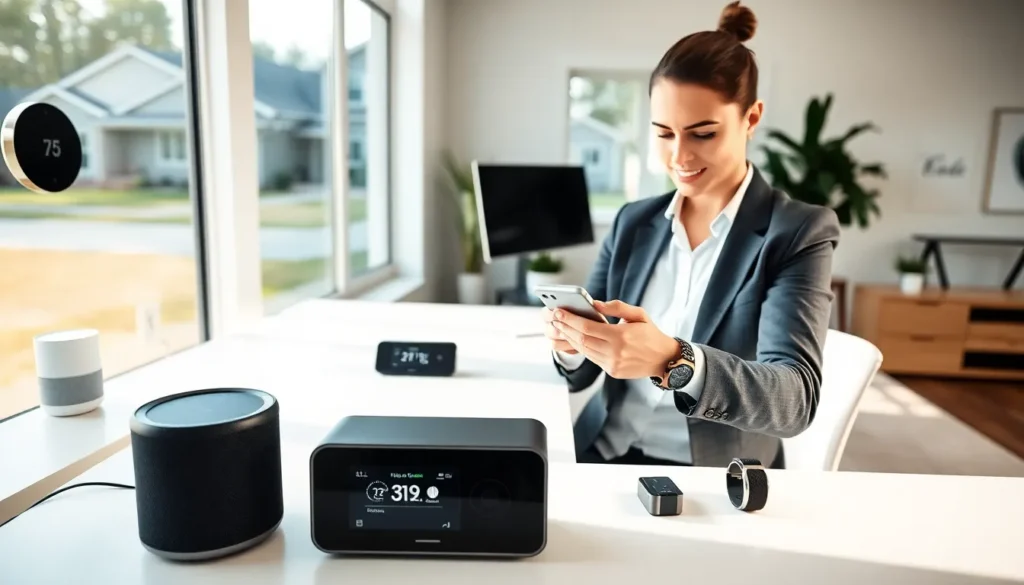
Smart home IoT devices automate household tasks and improve convenience. Popular examples include:
- Smart speakers: Amazon Echo and Google Nest respond to voice commands, play music, and control other IoT devices
- Smart thermostats: Nest and Ecobee learn heating preferences and reduce energy bills
- Smart lighting: Philips Hue and LIFX bulbs adjust brightness and color through apps or voice control
- Smart locks: August and Schlage locks allow keyless entry and remote access management
- Smart security cameras: Ring and Arlo cameras stream video footage and send motion alerts
These IoT devices work together through platforms like Apple HomeKit, Google Home, or Amazon Alexa to create unified smart home systems.
Wearable Technology
Wearable IoT devices monitor health metrics and keep users connected on the go. The category includes:
- Smartwatches: Apple Watch and Samsung Galaxy Watch track fitness, display notifications, and support mobile payments
- Fitness trackers: Fitbit and Garmin devices monitor steps, heart rate, and sleep patterns
- Health monitors: Continuous glucose monitors and smart blood pressure cuffs provide real-time health data
Wearable IoT devices sync with smartphones to store historical data and provide insights about health trends over time.
Benefits of Using IoT Devices
IoT devices deliver practical advantages that improve daily routines and reduce costs.
Energy savings stand out as a major benefit. Smart thermostats reduce heating and cooling costs by 10-15% on average according to manufacturer studies. Smart plugs identify energy-draining appliances, and automated lighting ensures lights turn off in empty rooms.
Convenience drives much of IoT device adoption. Voice commands eliminate the need to physically adjust settings. Scheduled automations handle repetitive tasks without user input. Remote access allows people to control home systems from anywhere with internet access.
Health monitoring through wearable IoT devices helps users track fitness goals and identify potential health issues early. Continuous data collection provides a clearer picture of overall wellness than occasional doctor visits alone.
Home security improves with connected cameras, motion sensors, and smart locks. Users receive instant alerts about unusual activity and can check their property remotely. Some insurance companies offer discounts for homes equipped with IoT security systems.
Time savings add up quickly. Automated routines handle tasks like adjusting lights at sunset, starting the coffee maker in the morning, or preheating the oven before dinner. These small conveniences free up mental energy for more important activities.
Security Considerations for IoT Devices
IoT devices create potential entry points for hackers if not properly secured. Each connected device represents a possible vulnerability in a home or business network.
Common security risks include:
- Weak default passwords: Many IoT devices ship with simple factory passwords that attackers easily guess
- Outdated firmware: Unpatched devices contain known security flaws
- Data privacy concerns: IoT devices collect personal information that could be exposed in breaches
- Network vulnerabilities: Compromised IoT devices can provide access to other connected systems
Protecting IoT devices requires several steps:
- Change default passwords immediately after setup and use strong, unique passwords for each device
- Update firmware regularly or enable automatic updates when available
- Use a separate network for IoT devices by creating a guest network on the router
- Research before buying, choose manufacturers with good security track records and ongoing support
- Disable unused features that could create unnecessary vulnerabilities
Buyers should also check how long manufacturers plan to support their IoT devices with security updates. Some cheaper products receive limited post-sale support, leaving them vulnerable to newly discovered threats.
How to Get Started With IoT Devices
Starting with IoT devices doesn’t require technical expertise. A few simple steps help beginners build their connected setup effectively.
Choose a platform first. Most IoT devices work with Amazon Alexa, Google Home, or Apple HomeKit. Selecting one ecosystem early ensures better compatibility between devices. Consider which voice assistant already exists in the household or which smartphone platform family members use.
Start small with one or two devices. A smart speaker and smart plugs make excellent first purchases. They’re affordable, easy to set up, and demonstrate IoT capabilities without major investment. Users can expand their systems gradually as they learn.
Check compatibility before buying. Not all IoT devices work with every platform. Product listings specify which ecosystems each device supports. Reading reviews helps identify setup difficulties or reliability issues with specific products.
Set up a strong network foundation. IoT devices depend on reliable Wi-Fi coverage throughout the home. A mesh router system eliminates dead zones and handles multiple connected devices better than basic routers. Strong network security protects all IoT devices from external threats.
Create useful automations. Most platforms allow users to build routines that trigger multiple actions. A “good morning” routine might turn on lights, read the weather forecast, and start the coffee maker. These automations deliver real value from IoT device investments.


